
Cemetery Fence & Gateway
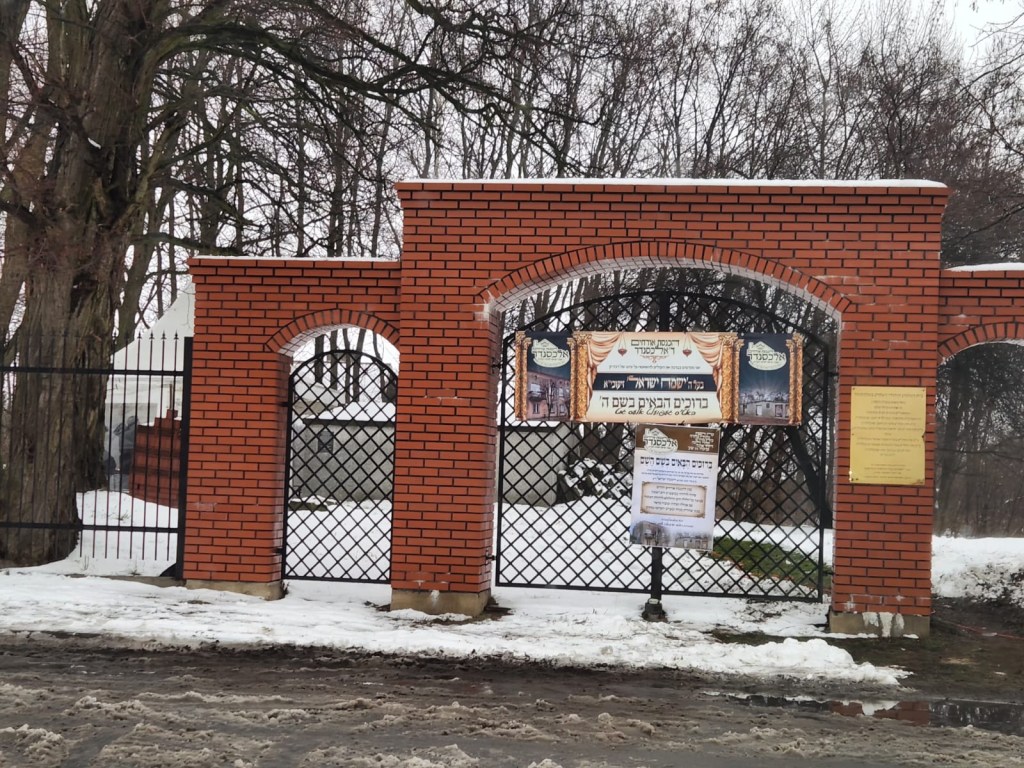
The entrance to the Jewish cemetery in Aleksandrow is a grand and imposing gateway that serves as a symbol of preserving the sanctity of the final resting place of all the towns Rabbis and inhabitants. The gate was built under the guidance of the Rebbe Shlita, who wanted to ensure that the cemetery was protected from vandalism and intrusion by outsiders. The gate is made of high-quality materials and features three arched doorways. The rebbe’s investment in the gate is a testament to his dedication to preserving the memory of the Rebbes and those who have passed as well as the importance of maintaining the cemetery as a sacred space for future generations.
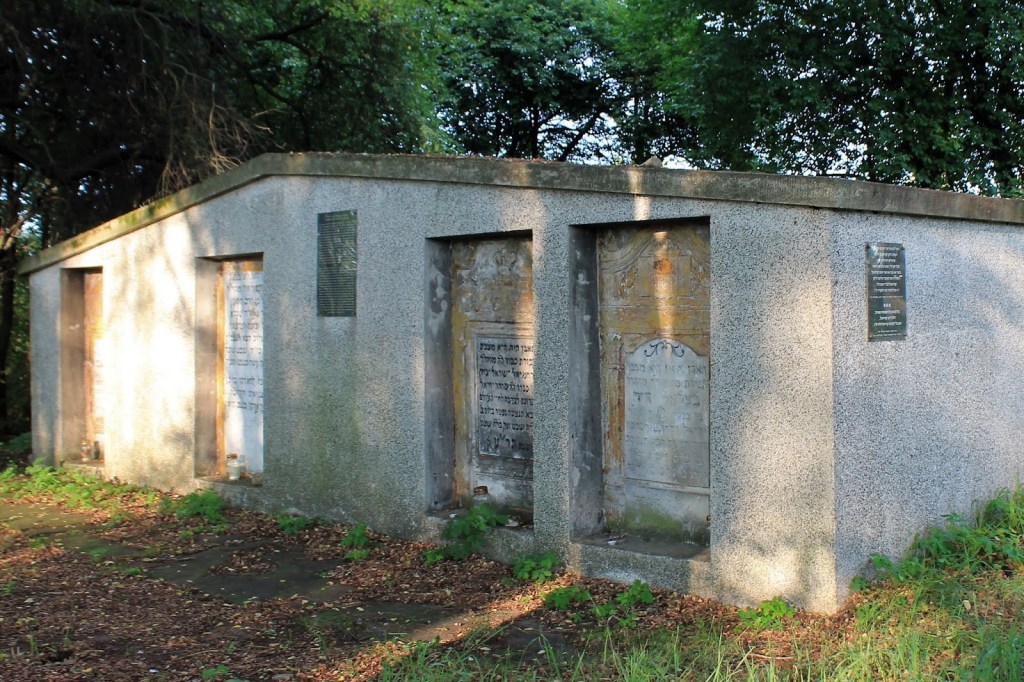
Aleksander Rebbes “Ohel”
The Ohel is a sacred site where people come to pray and seek blessings for personal needs, known as “yeshuos.” It is the resting place of the Alte Rebbe, the founder of the Aleksander Hasidic movement, as well as his three sons, the Yismach Yisroel, the Tiferes Shmuel, and Reb Betzalel Yair Danziger. The Ohel is considered a powerful place of connection to the past Rebbe’s and is seen as a source of inspiration and guidance for many in the Aleksander community, and it is a place of great importance for those seeking spiritual connection and guidance.
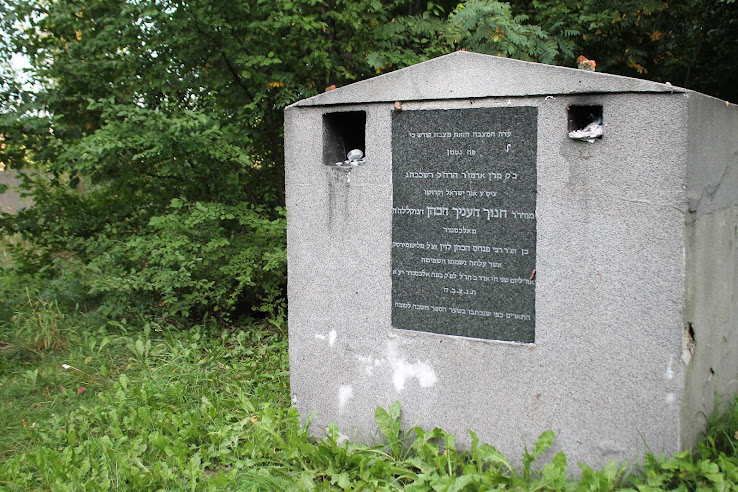
Reb Henach of Aleksanders Ohel
The grave of Reb Chanoch Henach Hakohen Levin is a sacred site for Gerrer Chasidim all over the world. Reb Chanoch Henach Levin was the second Gerrer Rebbe after the Chidushei Harim, and was a highly respected leader within the Gerrer community. Many Gerrer Chasidim make the pilgrimage to his grave to pay their respects and pray for blessings. Reb Chanoch Henach Levin served as the second Rabbi of the town of Aleksander.
Honoring The Past At Our Cemetery
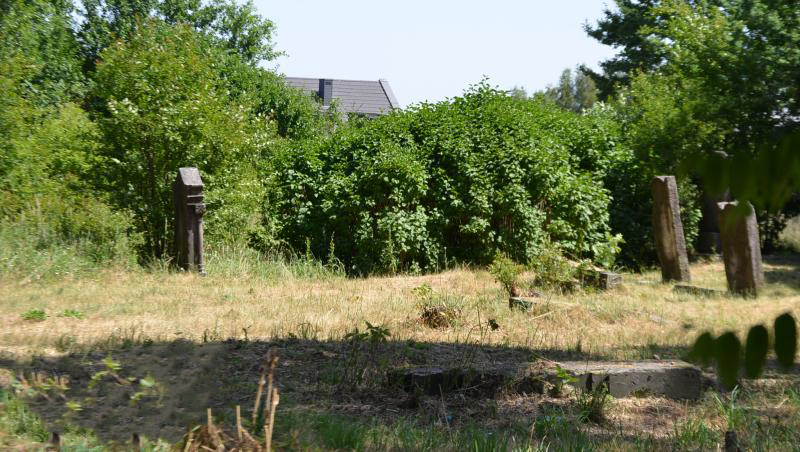
Explore the rich history of our cemetery, home to an estimated 150 tombstones in varying states of preservation. Discover the few remaining whole and standing matzevot, as well as those collected from the streets of Aleksandrów Łódzki and placed at the back of the ohel. See the overturned and broken tombstones and concrete linings of destroyed graves scattered throughout, particularly in the western sector.
 Aleksander Hoif